

Vietnam Destinations: Where to Go
Vietnam runs more than 1,600 km from the limestone mountains of the far north to the islands of the Gulf of Thailand. This guide gathers the places our travellers ask about most, grouped by region, with the HYNA tours that visit each one.
Northern Vietnam
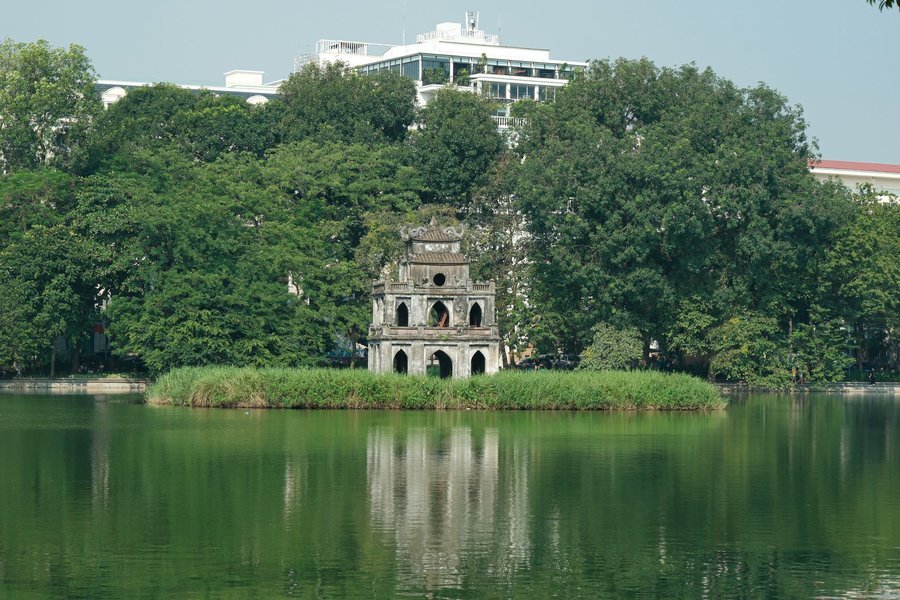
Hanoi
The capital and the gateway to the north. The Old Quarter keeps its 36 trade streets, street-food corners and the calm of Hoan Kiem Lake; the Ho Chi Minh Mausoleum, the Temple of Literature and the water puppet theatre sit within a short drive of each other.
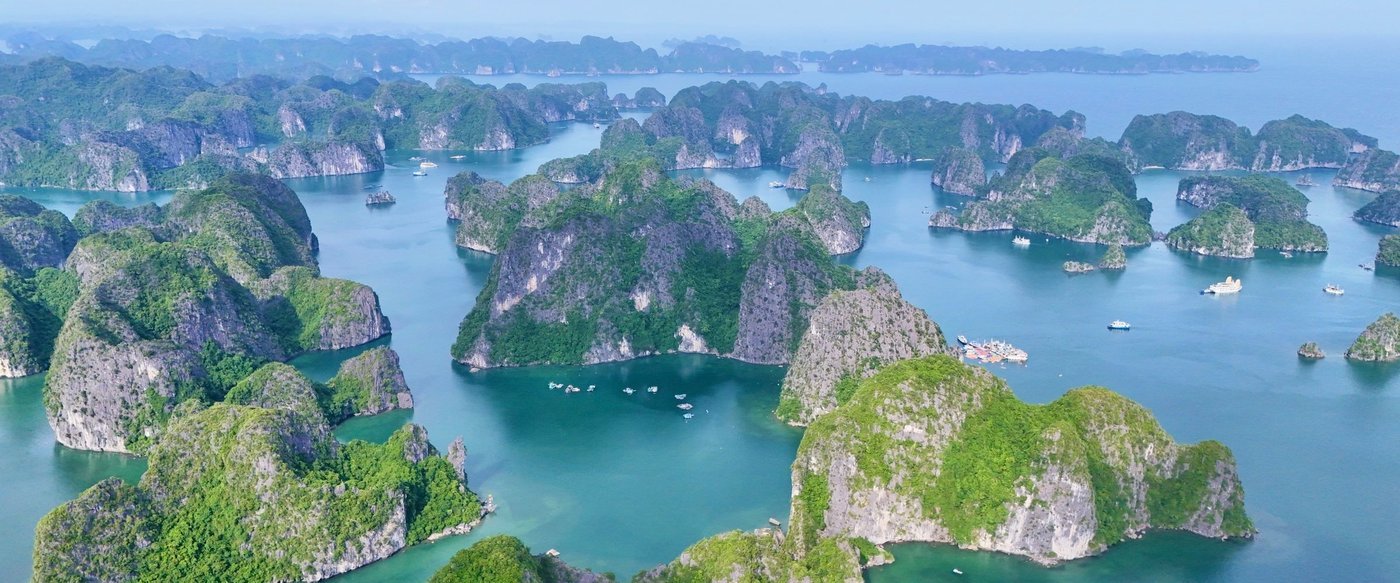
Ha Long Bay & Lan Ha Bay
A UNESCO World Heritage site of nearly 2,000 limestone islands. Overnight cruises sail through quiet corners such as Lan Ha Bay, with kayaking, caves reached by rowing boat and sunrise over the karsts.
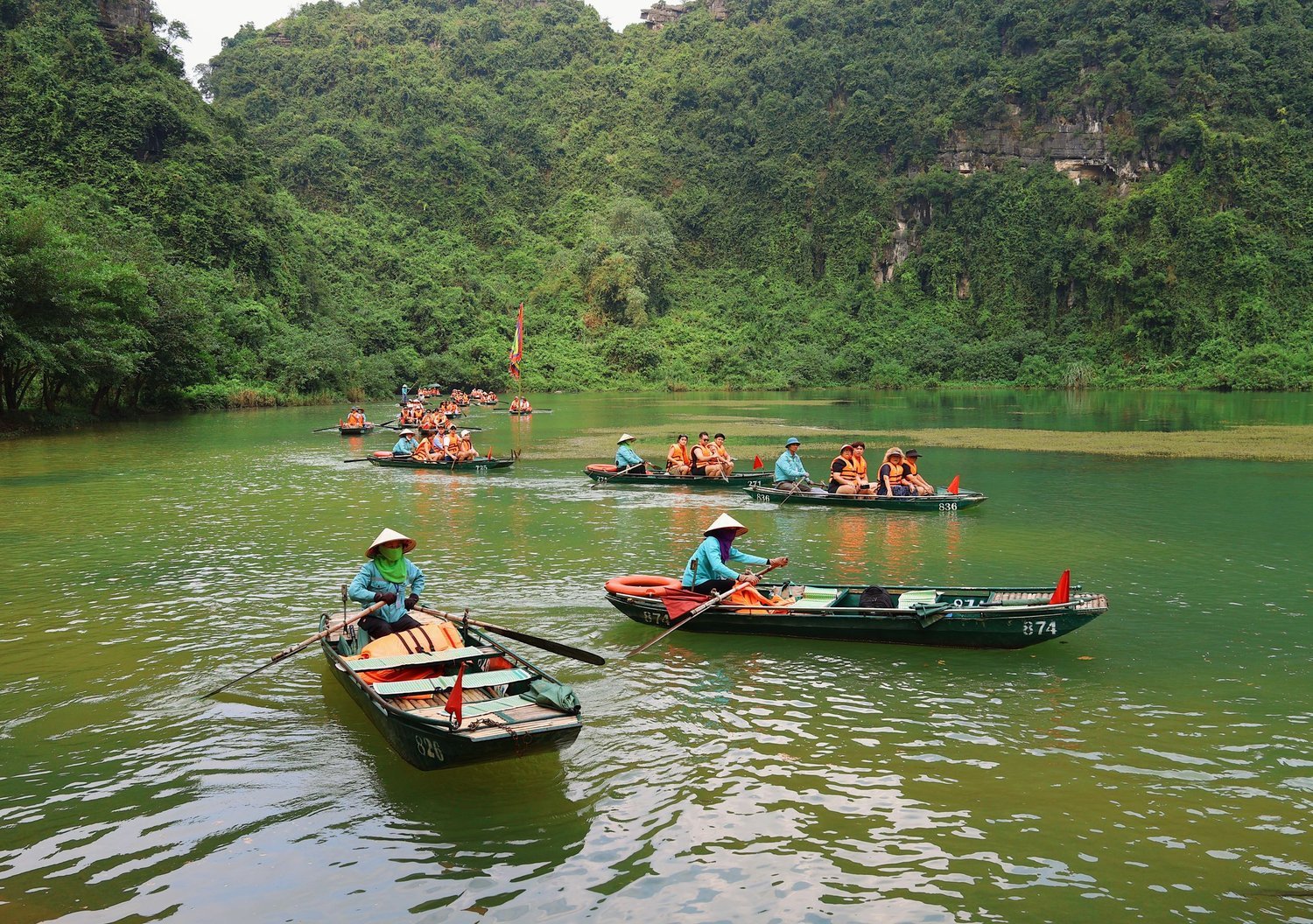
Ninh Binh
Often called Ha Long Bay on land. Sampan boats glide through the caves of Trang An, a UNESCO site, past the temples of the old capital Hoa Lu and the viewpoint at Mua Cave.
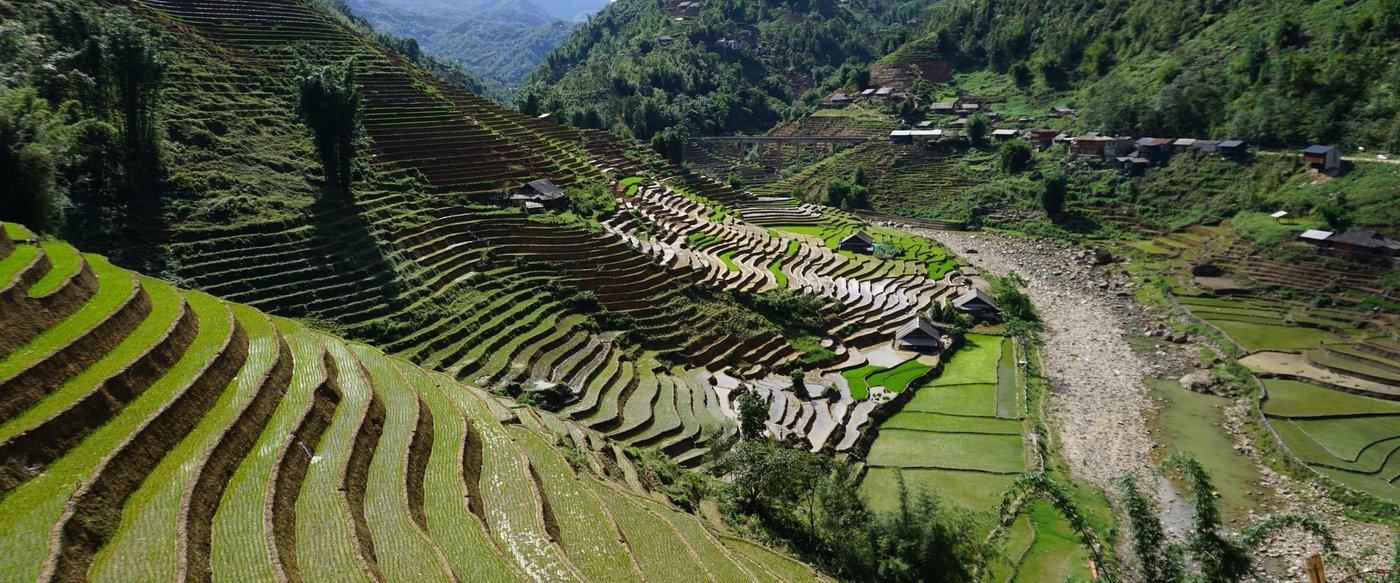
Sapa
Rice terraces, H’Mong, Dao and Giay villages, and Fansipan, at 3,143 m the highest peak in Indochina, reached by mountain train and cable car. Best walked between the valleys of Lao Chai and Ta Van.
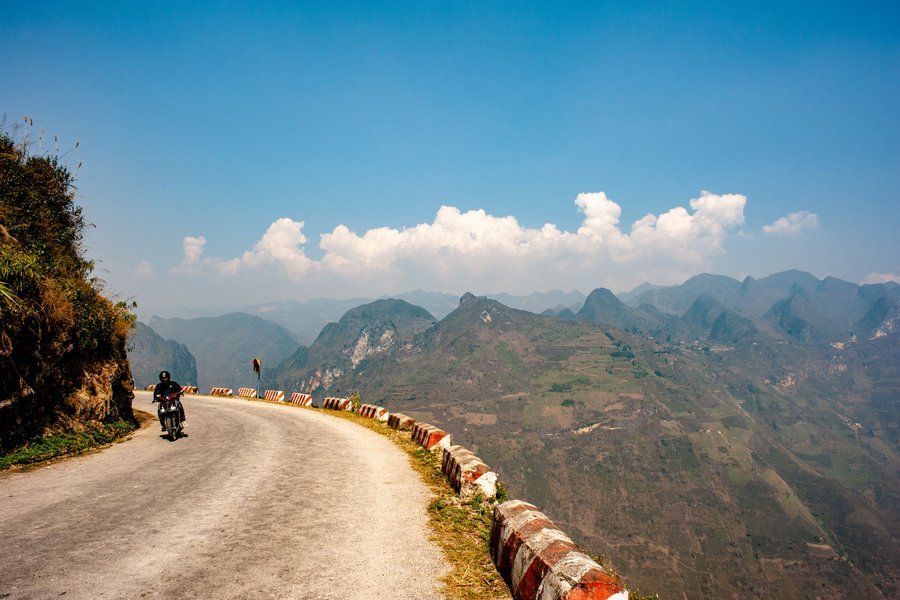
Ha Giang
Vietnam’s far north: the Dong Van Karst Plateau UNESCO Global Geopark, Ma Pi Leng Pass above the Nho Que River, and villages of the H’Mong, Lo Lo and Tay. Travelled as a 3-day loop by motorbike with an easy rider, or by jeep.
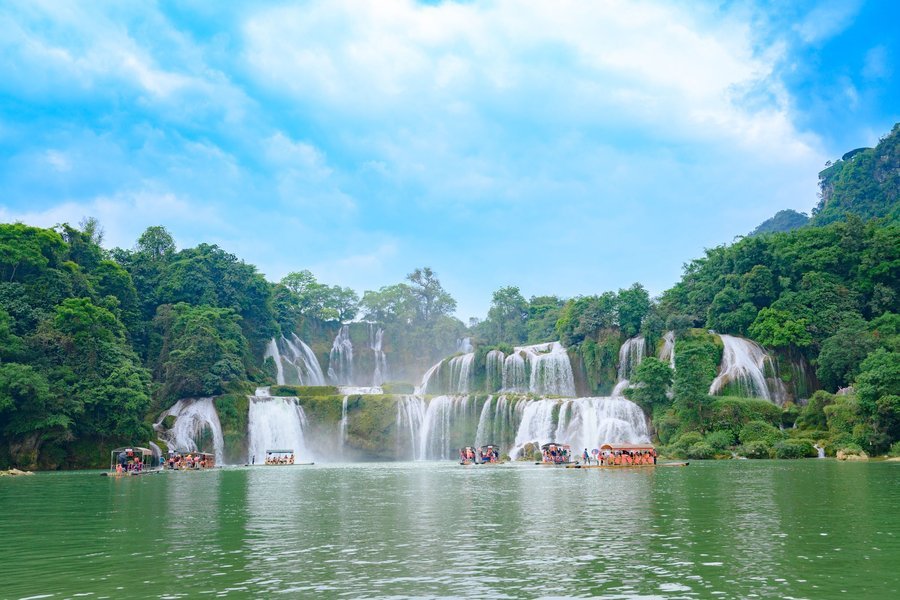
Cao Bang
Home to Ban Gioc, the widest waterfall in Vietnam, on the border with China, plus Nguom Ngao Cave, the Pac Bo historical site and craft villages around Ma Phuc Pass.
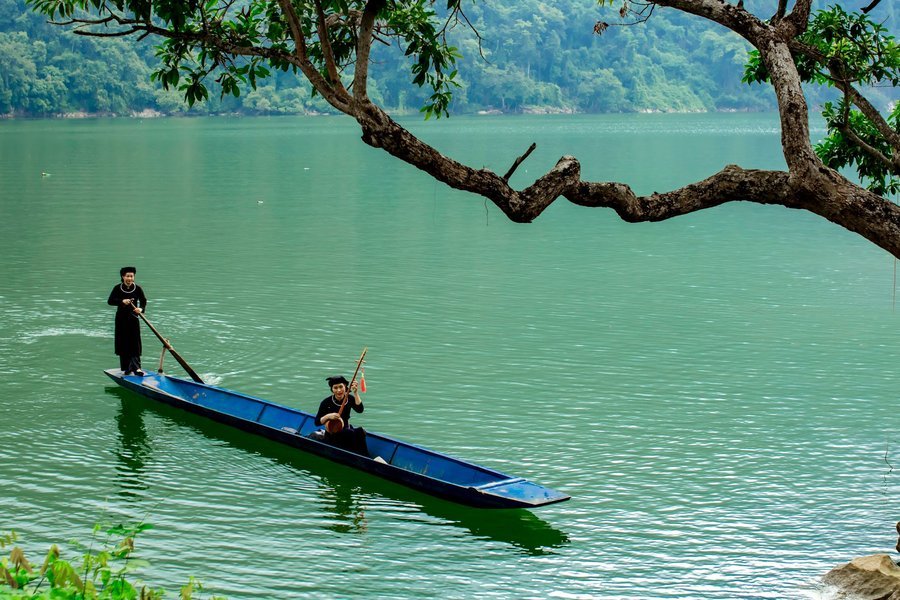
Ba Be Lake
The largest natural freshwater lake in Vietnam, inside a national park of limestone peaks and forest. Dugout boats reach An Ma Temple, Widow Island and Puong Cave; nights are spent in Tay stilt houses.
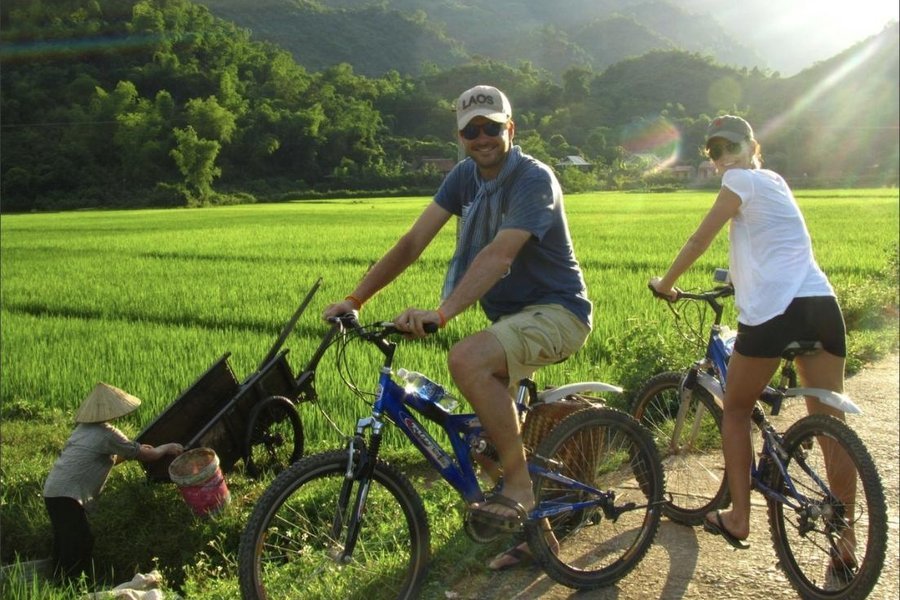
Mai Chau
A green valley of rice fields and White Thai stilt-house villages, three and a half hours west of Hanoi. Easy cycling, weaving workshops and quiet evenings.
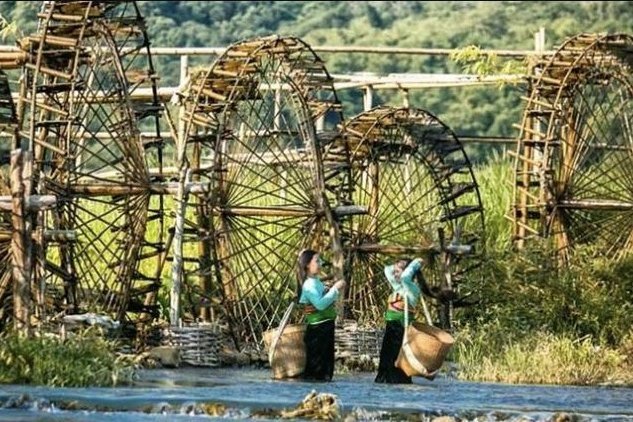
Pu Luong
A nature reserve of terraced hillsides, bamboo water wheels and small ethnic villages, popular for walking between hamlets and staying in valley lodges.
Central Vietnam
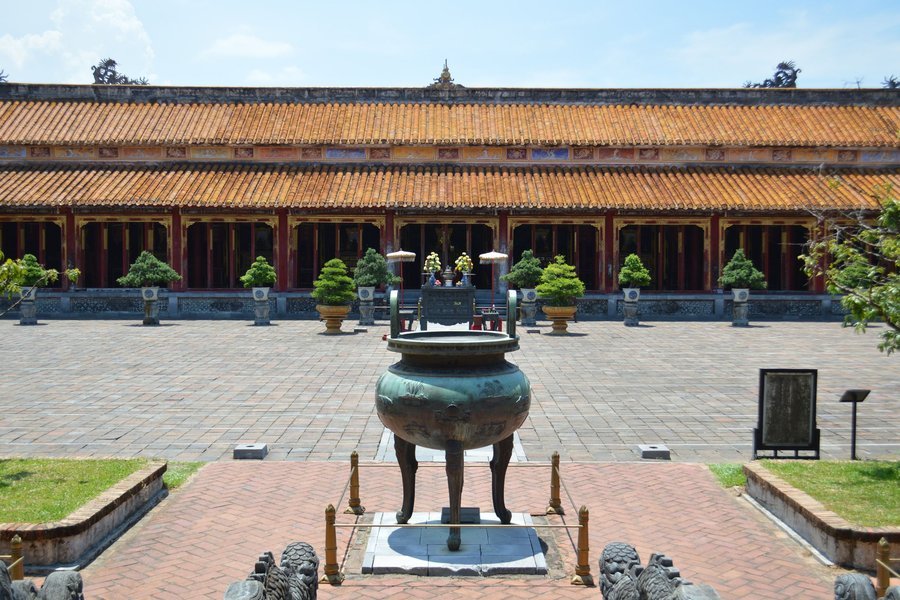
Hue
The imperial capital of the Nguyen dynasty and a UNESCO World Heritage site: the Citadel and Forbidden Purple City, royal tombs along the Perfume River and Thien Mu Pagoda.
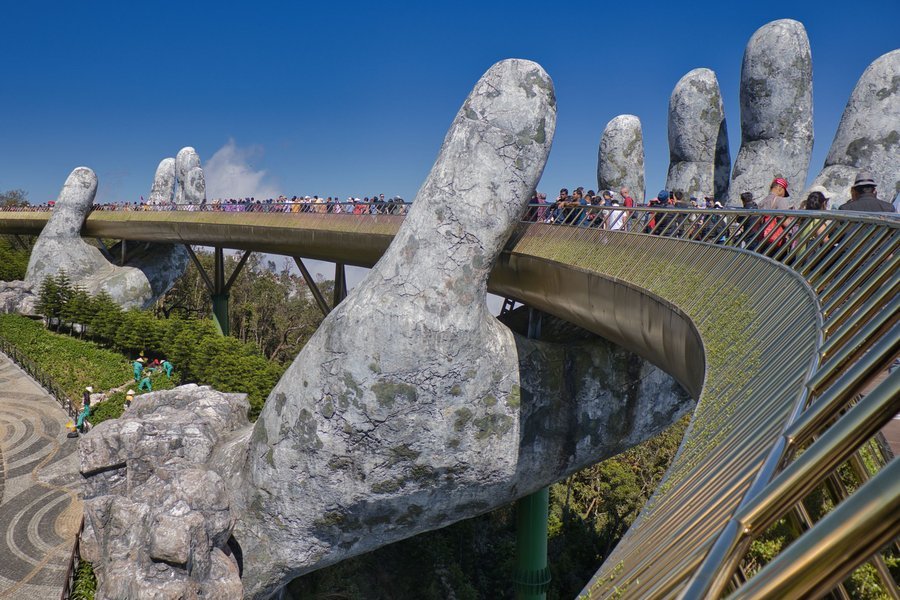
Da Nang
Vietnam’s central coastal city: My Khe beach, the Marble Mountains, the Cham Sculpture Museum and, in the hills above, Ba Na Hills with its Golden Bridge.
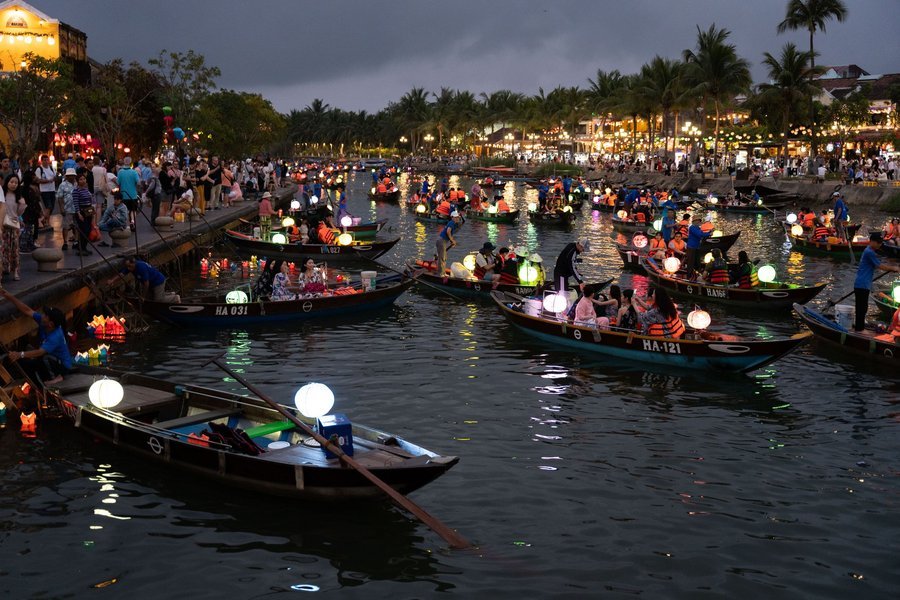
Hoi An
A UNESCO-listed trading port where Japanese, Chinese and European merchants met. Lantern-lit streets, tailors and craft villages, basket boats in the Cam Thanh coconut forest, and the Cham ruins of My Son nearby.
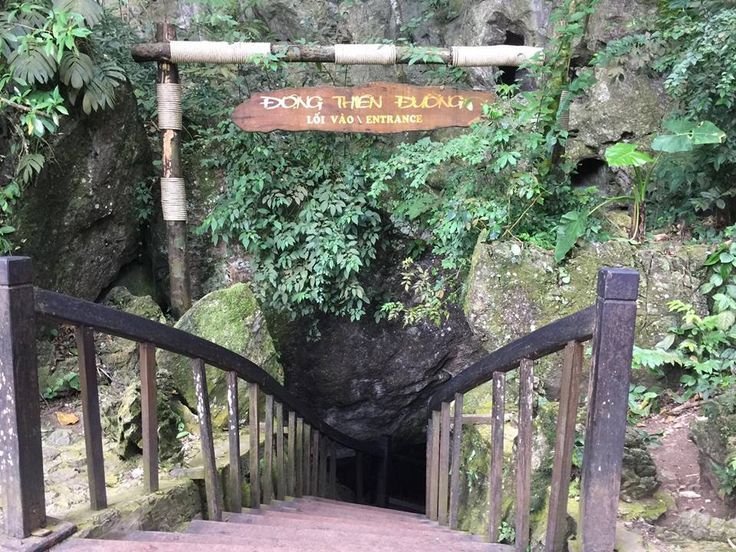
Phong Nha
Phong Nha-Ke Bang National Park, a UNESCO site, holds some of the largest caves in the world, including Paradise Cave and Phong Nha Cave, reached by boat along an underground river.
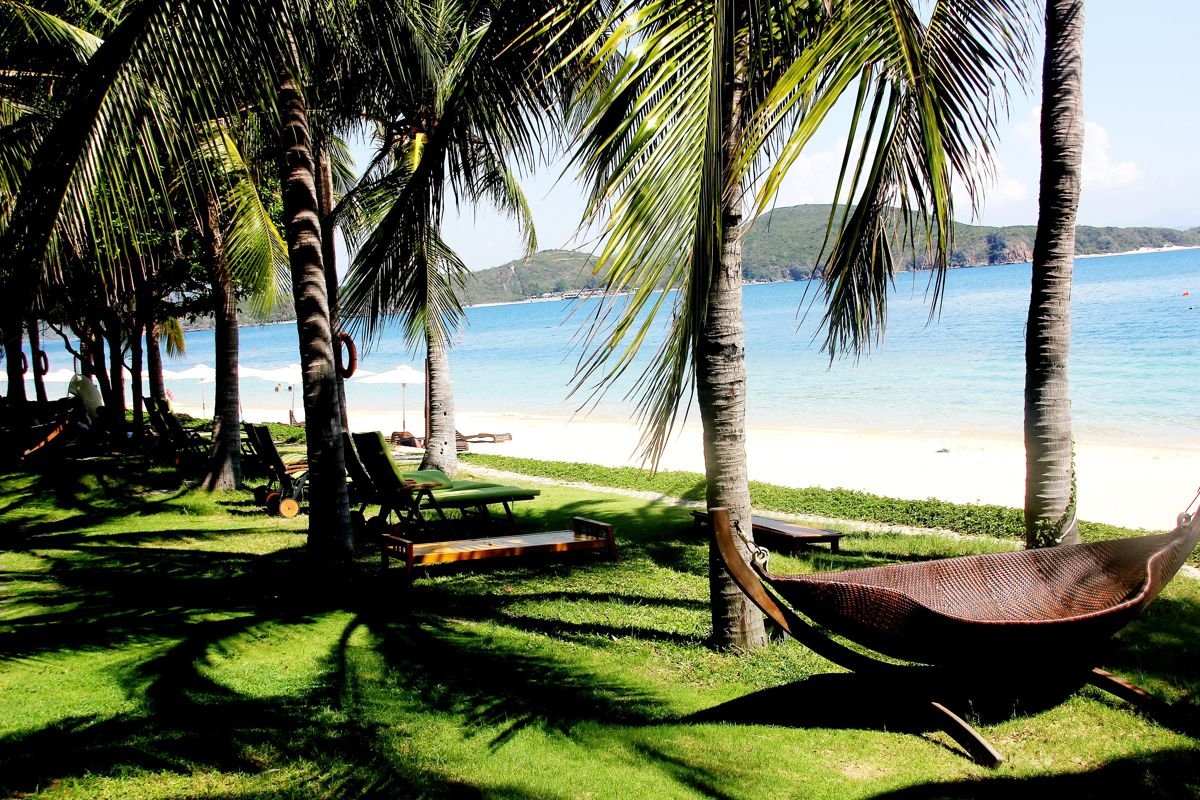
Nha Trang
A long bay on the south-central coast known for beaches, island-hopping and diving, with the Po Nagar Cham towers above the city.
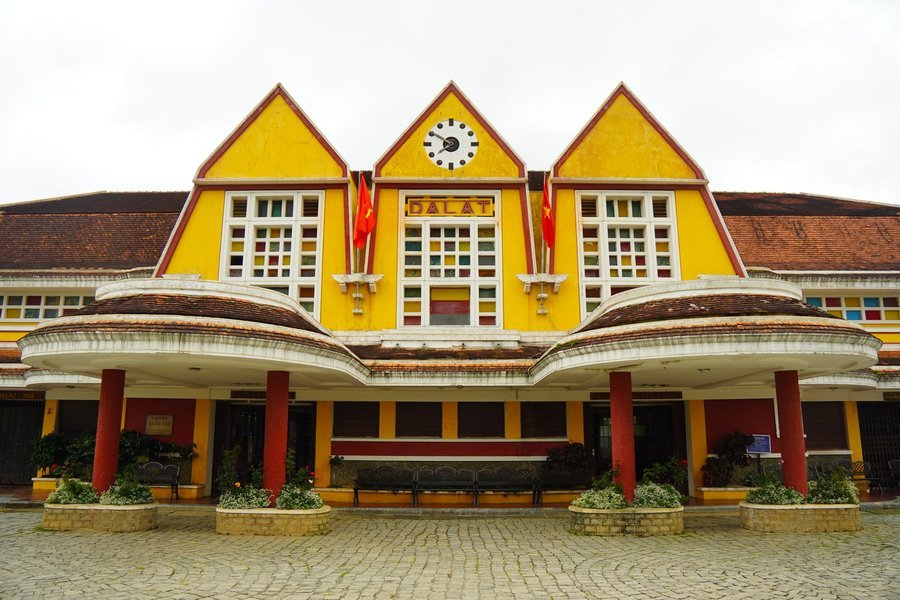
Da Lat
A highland town at 1,500 m, cool all year, built by the French among pine forests. Flower farms, coffee plantations, waterfalls and the mountain of Langbiang.
Southern Vietnam
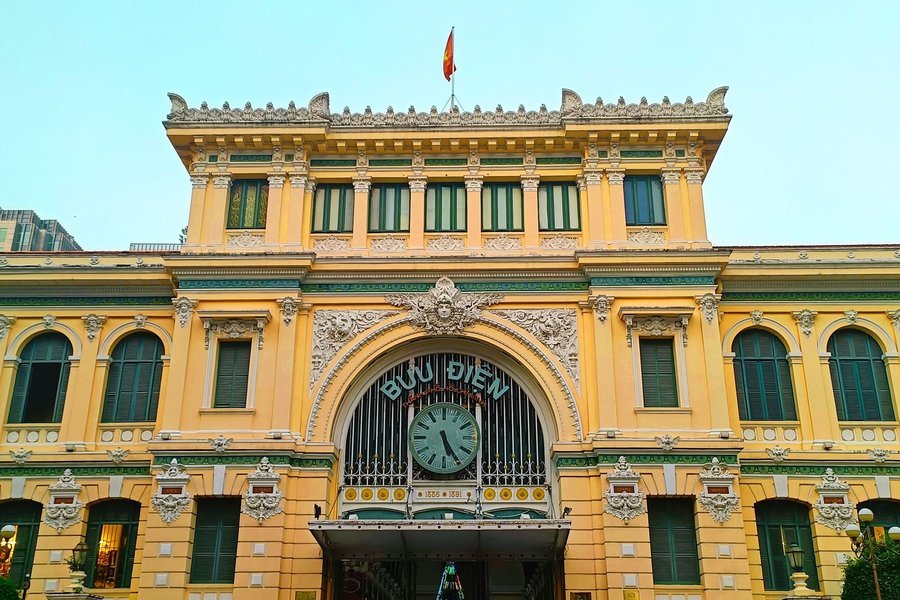
Ho Chi Minh City
The country’s largest city, still called Saigon. The Independence Palace, the War Remnants Museum, Ben Thanh Market and the wartime tunnels of Cu Chi to the north-west.
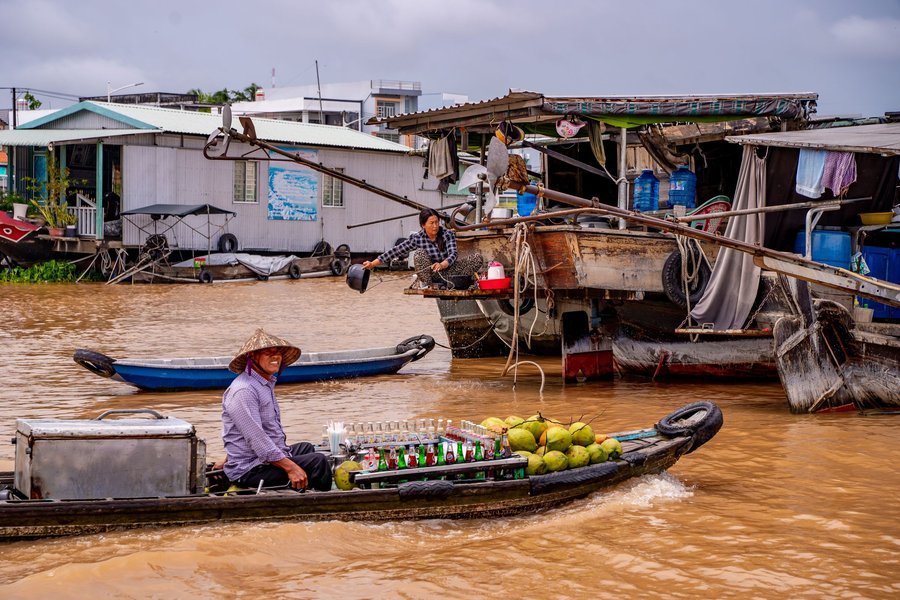
Mekong Delta
Nine branches of the Mekong spread into orchards, rice fields and floating markets. Cai Rang market near Can Tho trades at sunrise; smaller boats reach the villages and workshops of My Tho and Ben Tre.
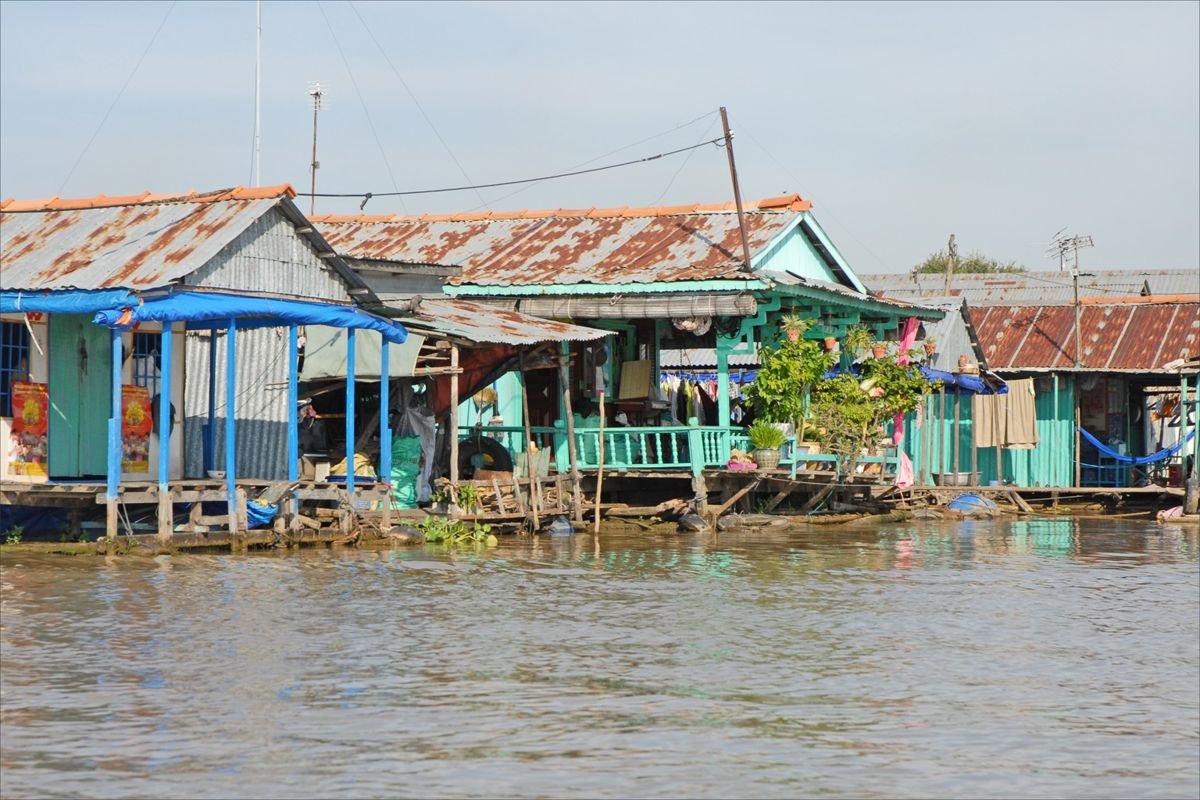
Chau Doc
A border town on the Bassac River known for its floating fish farms, Cham villages and the pilgrimage site of Sam Mountain.
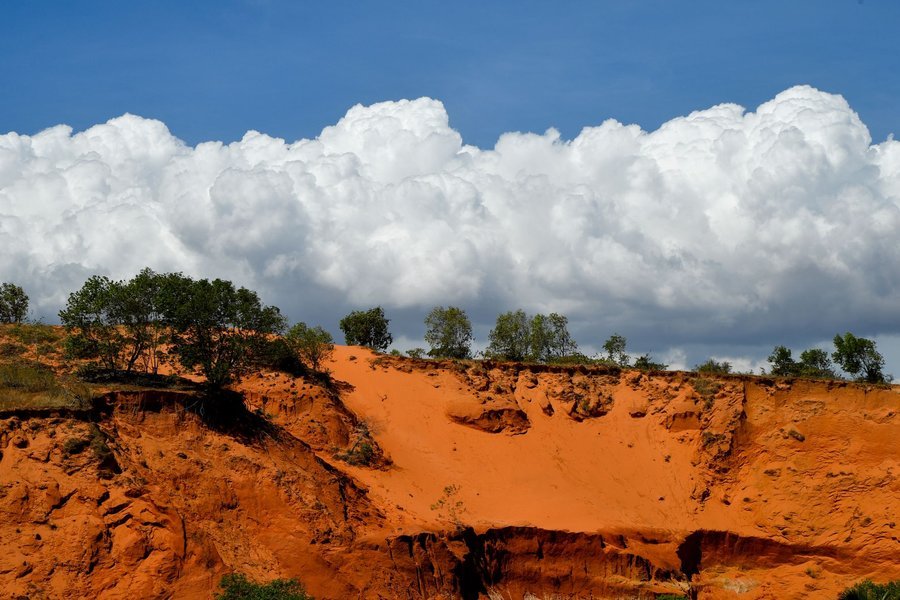
Mui Ne
A fishing town on the Binh Thuan coast with white and red sand dunes, the Fairy Stream and steady wind that made it a kitesurfing centre. Dunes are visited by jeep at sunrise or sunset.
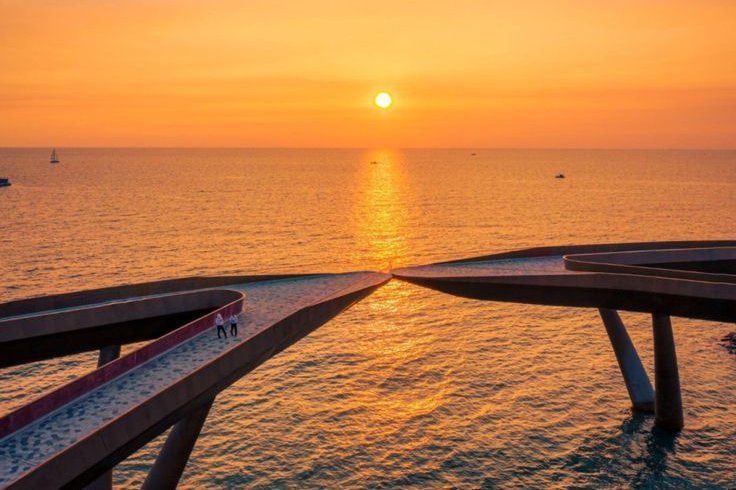
Phu Quoc
Vietnam’s largest island, in the Gulf of Thailand: beaches along the west and south coasts, a national park covering much of the north, fishing villages, pepper farms and the Hon Thom cable car.
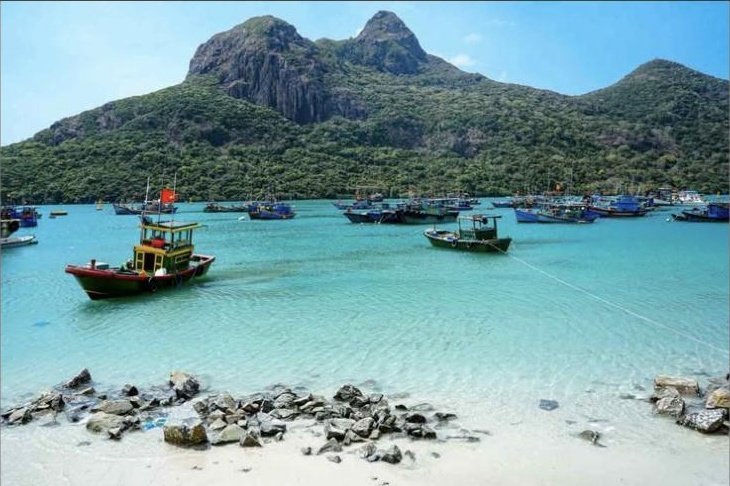
Con Dao
An archipelago of 16 islands with quiet beaches, coral reefs and nesting sea turtles, and the former prison that gives the islands their place in Vietnamese history.
Plan your route
Most itineraries combine two or three regions and use short domestic flights or overnight sleeper buses between them. Tell us the places you want and how many days you have, and we will put the route together: ask for a quote, message us on WhatsApp +84 345 827 501 or email booking@hynatravel.com.